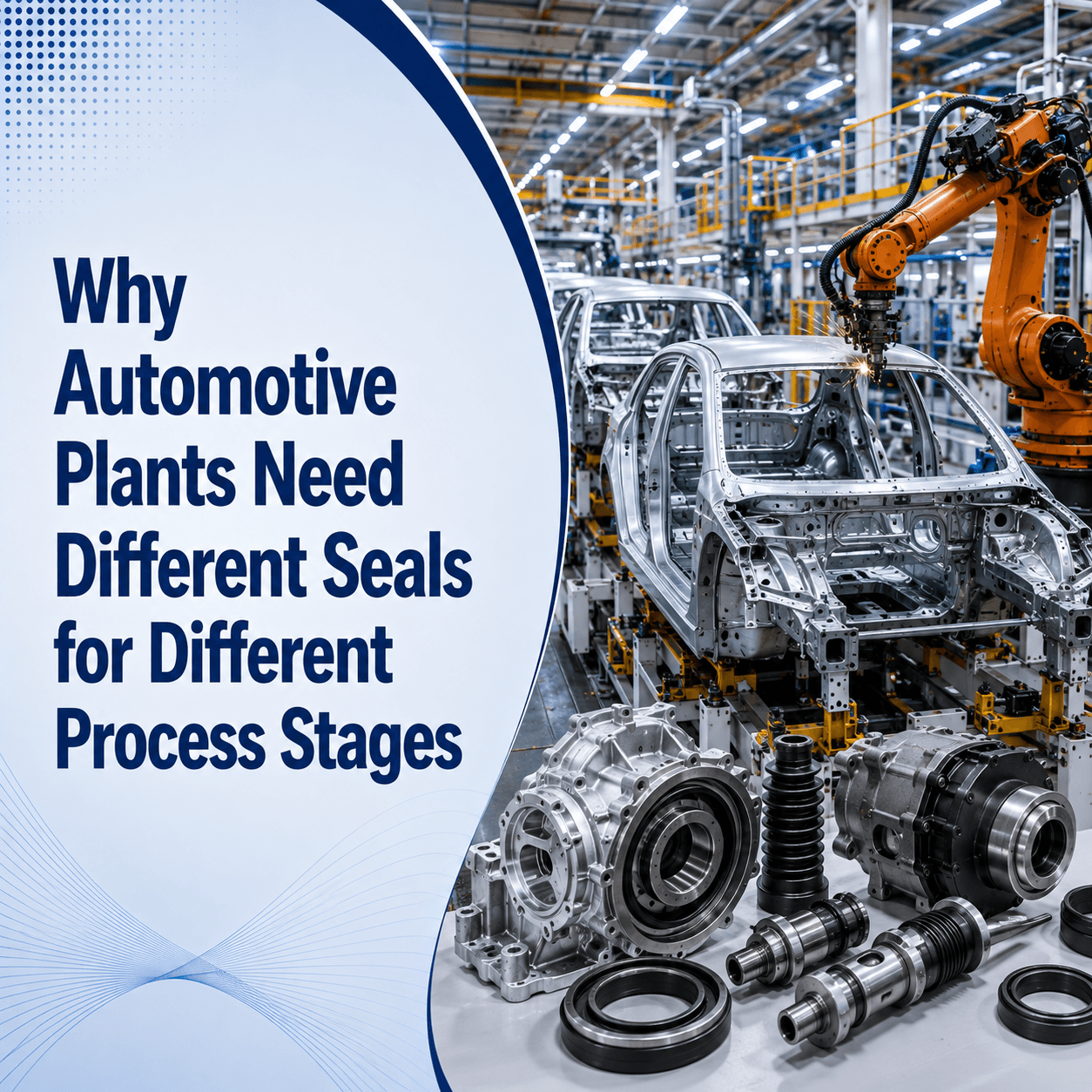
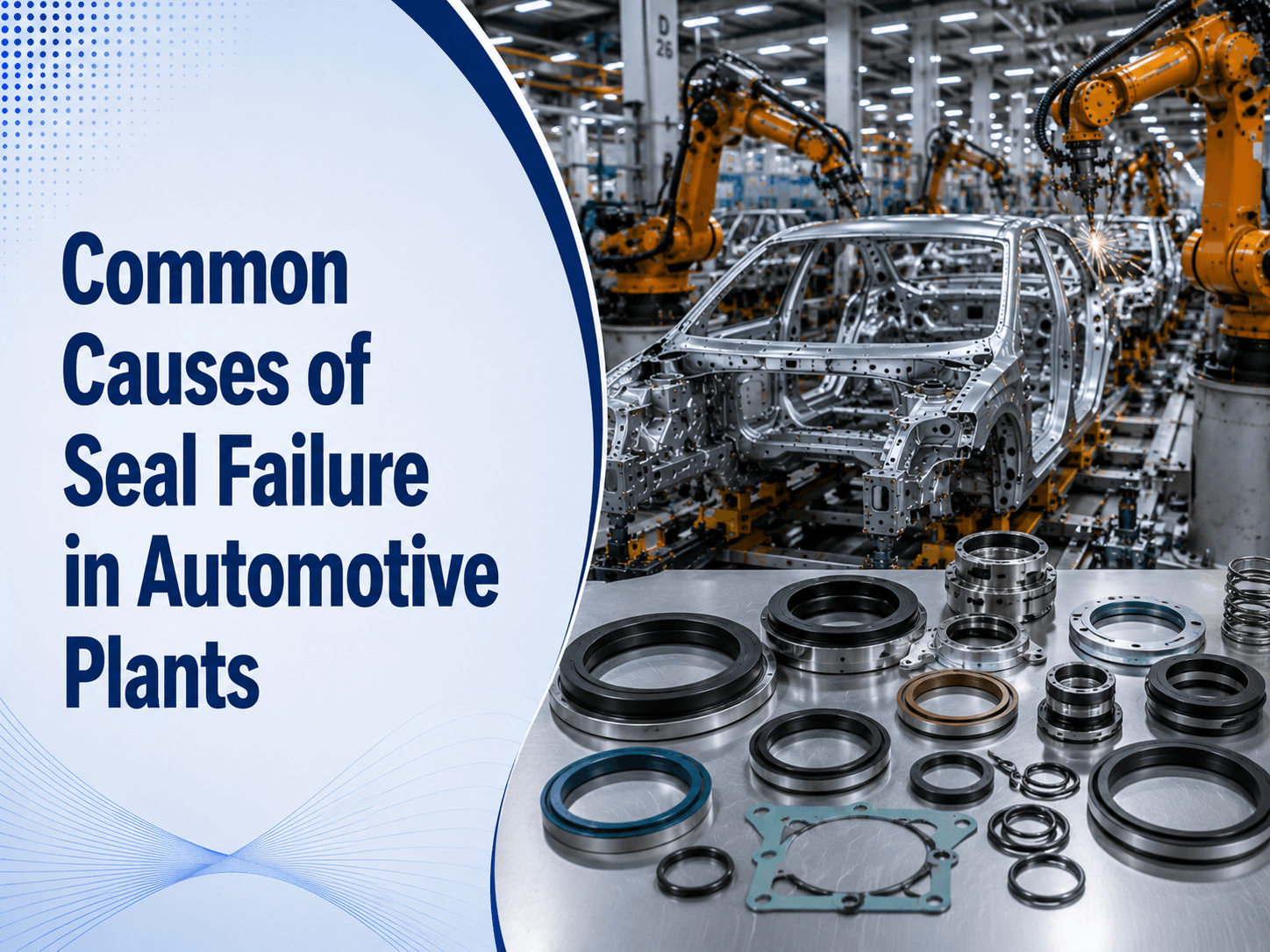
Automotive manufacturing plants run pumping equipment across process stages that have very little in common with each other chemically or mechanically — electrocoat and phosphating pretreatment lines handling aggressive coating chemistries, machining and coolant systems on the shop floor, engine and transmission test cells, and effluent treatment plants processing the wastewater from all of it. A single automotive plant can have four or five genuinely different sealing problems running simultaneously across its paint shop, machine shop, and utilities, and a seal specified for one stage rarely transfers cleanly to another.
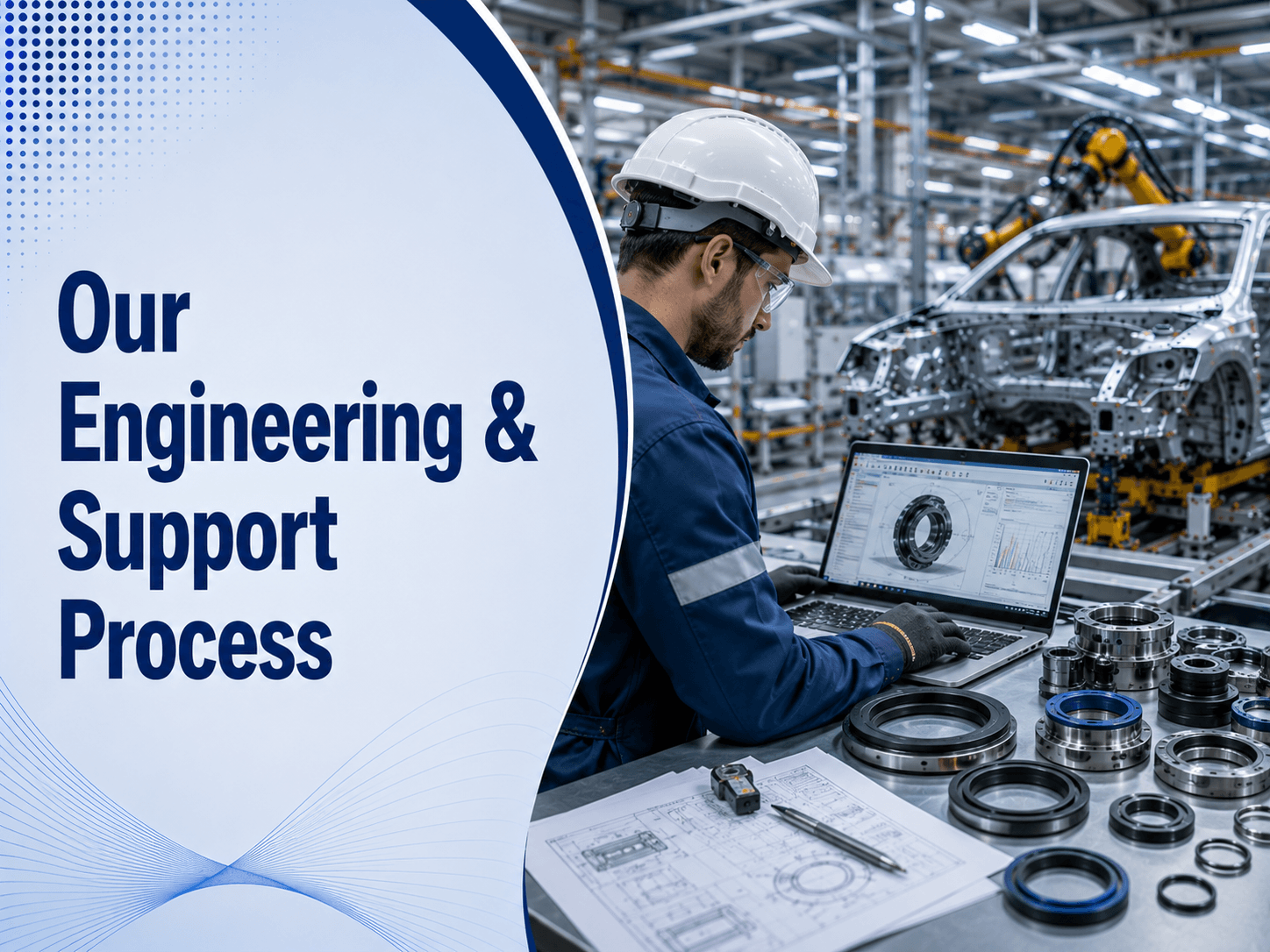
At Leak-Pack Engineering, we design and manufacture mechanical seals for automotive manufacturing and assembly plant equipment — E-coat and phosphating pumps, machining coolant systems, engine and transmission test cell pumps, and plant effluent treatment pumps — engineered around the specific process chemistry and duty cycle of each stage. Our engineering team works from your actual process data, and where relevant, quality documentation practices consistent with IATF 16949, the automotive industry’s own quality management standard, to recommend seal designs and traceability documentation that fit into an automotive supplier’s existing quality system.

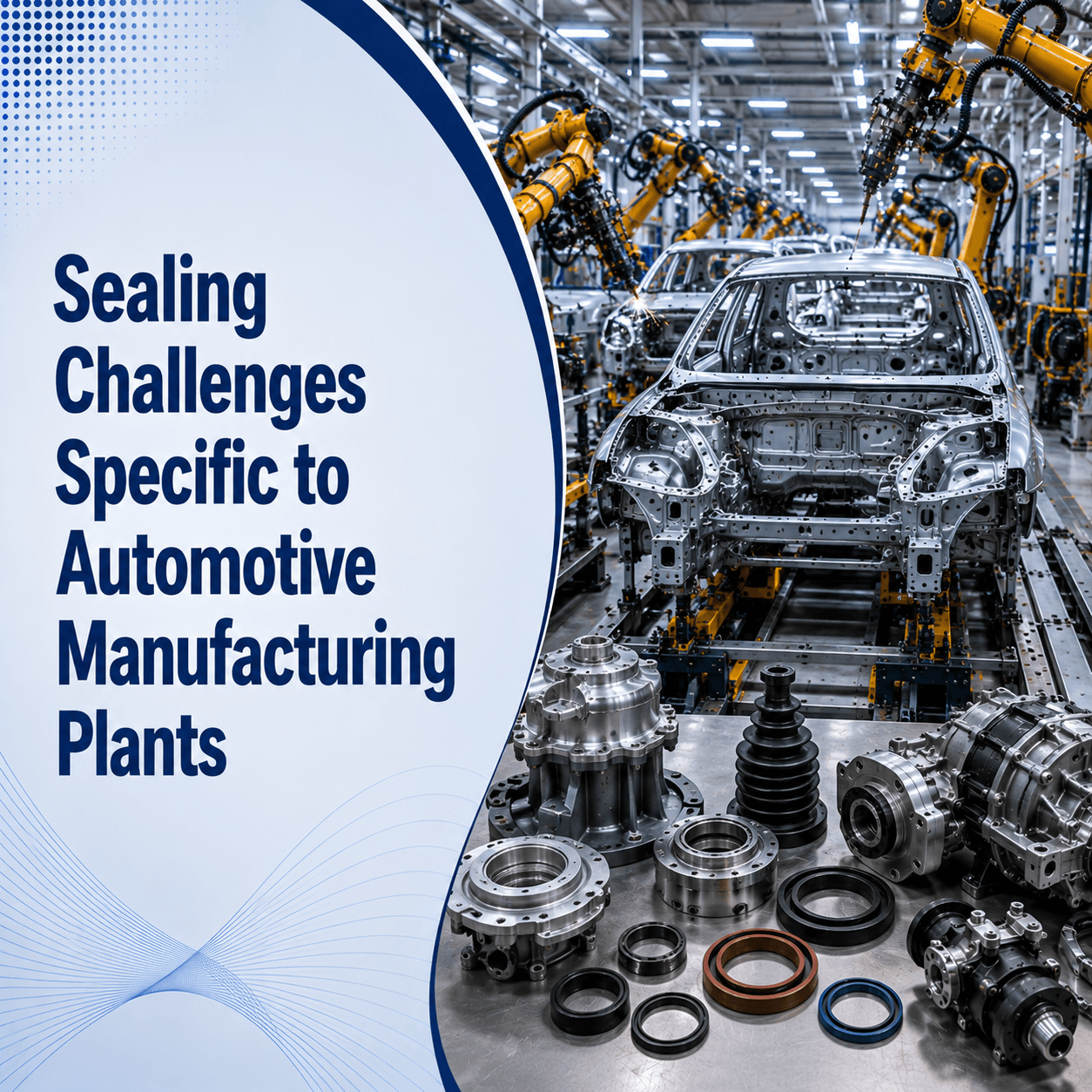
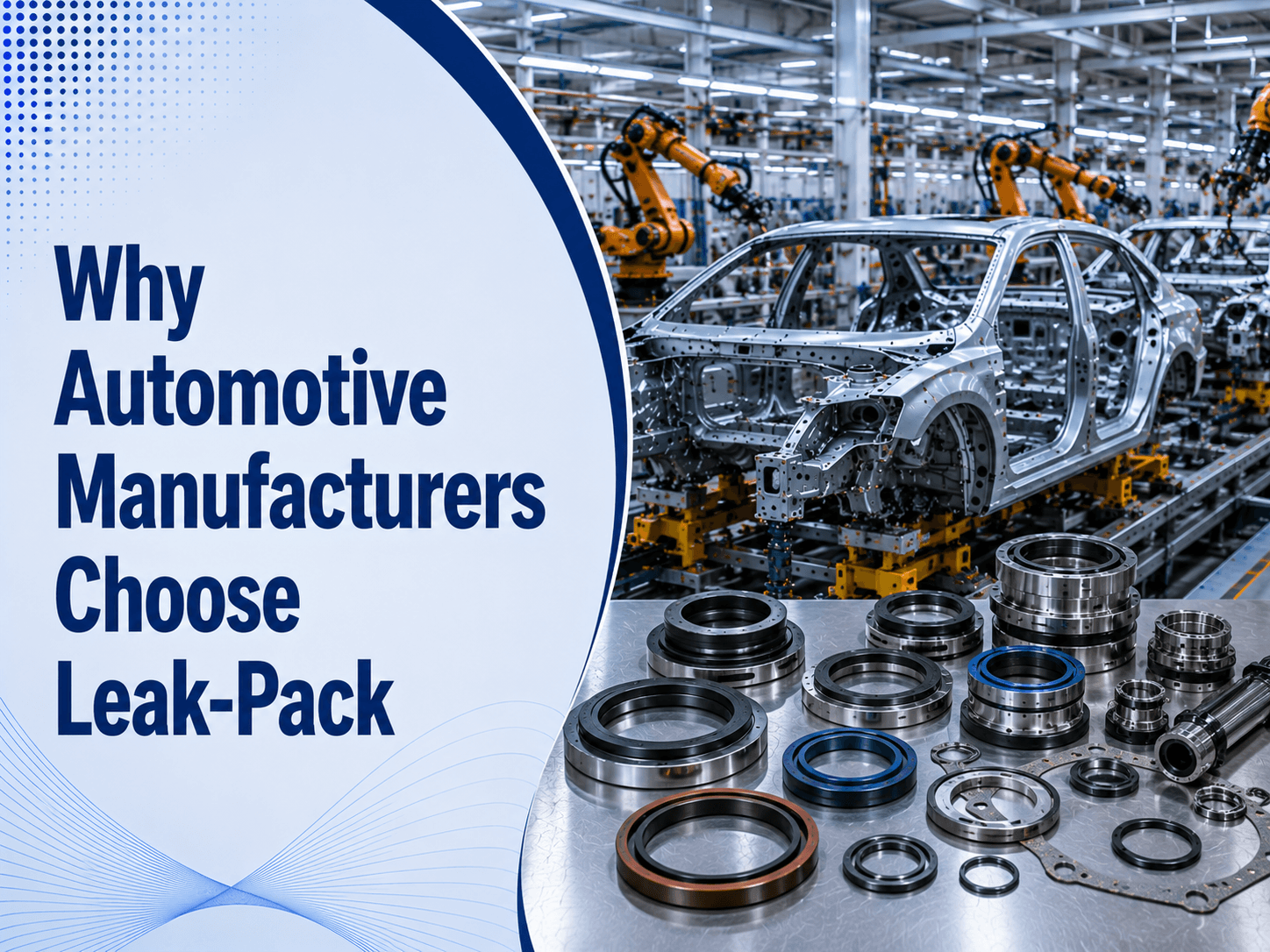
In automotive manufacturing, seal selection can’t be treated as a single specification problem the way it might be in a plant running one dominant process. The paint shop’s electrocoat (E-coat) tanks run an electrically charged coating bath that’s chemically demanding in its own right; the phosphating and pretreatment stages ahead of it run acidic or alkaline chemistries at elevated temperature; the machine shop runs coolant and cutting fluid systems with an entirely different set of demands around filtration and bio-stability; and the plant’s effluent treatment system has to handle whatever residual chemistry arrives from all of the above, concentrated and mixed. Specifying one seal type across all of these stages, as sometimes happens when a plant standardizes for simplicity, usually means every stage except the one the seal was actually chosen for is running an under-specified seal.
Automotive plants also operate under a documentation and traceability culture that’s more exacting than most process industries, driven by the same IATF 16949 quality management framework that governs the vehicles and components themselves. Equipment suppliers to automotive plants, including sealing component suppliers, are frequently expected to provide the same kind of material traceability and process documentation that the plant’s own quality system demands internally — a seal specified without that documentation trail in mind can become a gap in an otherwise compliant quality system.
Paint shop chemistry adds a further regulatory dimension. Coating operations are among the more heavily regulated processes in a manufacturing plant from an air emissions standpoint — in the US, for example, automobile and light-duty truck surface coating falls under EPA hazardous air pollutant standards specifically — which puts additional scrutiny on any equipment, including pump seals, that could contribute to an uncontrolled release from the coating process.
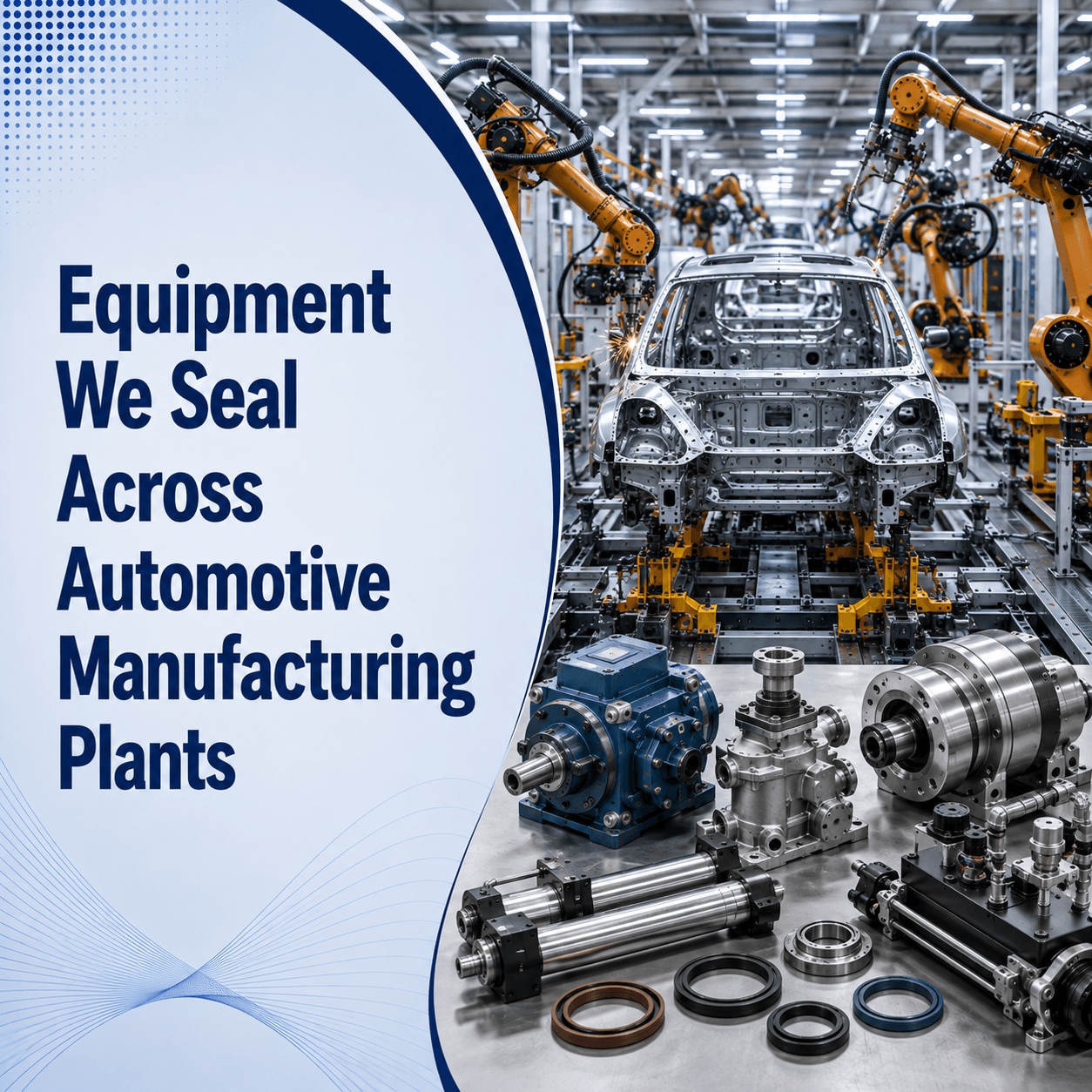
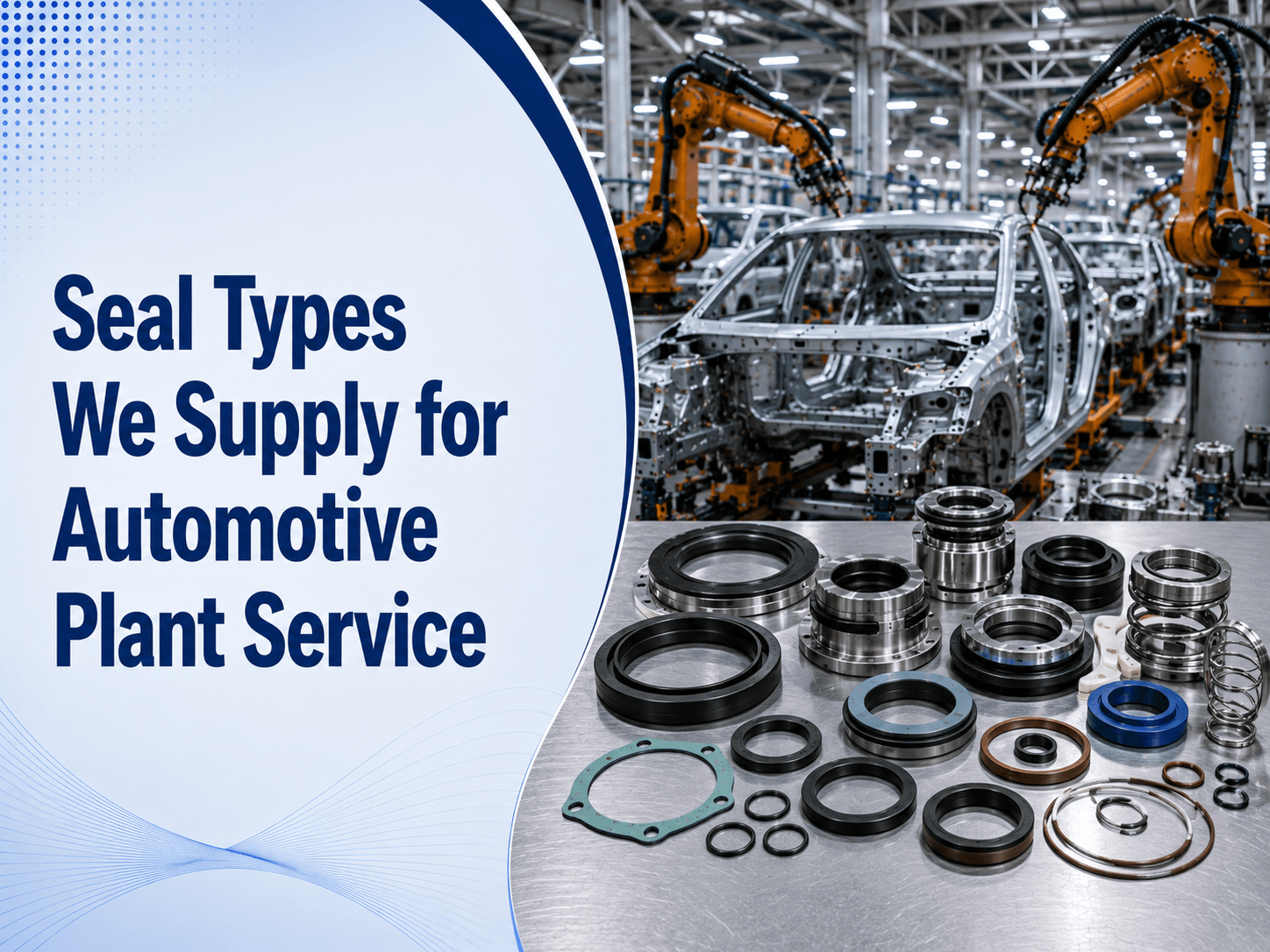
Automotive plants run equipment from body-in-white pretreatment through final assembly testing and plant utilities, each stage presenting a different sealing problem. We supply seals across this full range:

As with other multi-stage process facilities, these requirements rarely present in isolation on any single pump — a phosphating pump seal typically has to resist its specific chemistry, meet the plant’s traceability expectations, and keep the paint shop’s production schedule intact, all at once. We size each stage’s specification to what that stage actually needs, rather than forcing a single plant-wide seal standard.


Below is a general guide to the materials we typically recommend by automotive plant application. Final material selection is always confirmed against your specific process chemistry, temperature, and any supplier quality documentation requirements.
| Application | Seal Face Combination | Secondary Seal / Elastomer | Wetted Metallurgy |
|---|---|---|---|
| E-coat / cataphoresis paint pumps | Silicon Carbide vs. Silicon Carbide | FFKM (Kalrez-type) | 316 SS / Hastelloy |
| Phosphating & pretreatment pumps | Silicon Carbide vs. Silicon Carbide | FKM (Viton) | 316 SS / Duplex |
| Machining coolant circulation | Tungsten Carbide vs. Silicon Carbide | EPDM / NBR | 316 Stainless Steel |
| Engine / transmission test cell pumps | Silicon Carbide vs. Carbon | FKM (Viton) | 316 Stainless Steel |
| Effluent (ETP) transfer — plating/paint | Tungsten Carbide vs. Silicon Carbide | EPDM / FKM | 316 SS / Duplex |
We specify each stage to its own chemistry and duty cycle — E-coat, phosphating, coolant, and effluent treatment each typically need a different seal design and material combination, rather than one plant-wide standard.
Yes. We select chemically resistant secondary seals and metallurgy matched to your specific E-coat chemistry, since electrocoat baths present a different compatibility profile than a conventional chemical process fluid.
Yes. We supply material certification and traceability documentation as standard, so it fits into your plant’s existing supplier quality and audit requirements without needing to be requested separately.
Yes. Our multi-spring seal designs are specified to resist fouling from the fine metal particulate and cutting fluid additives typical of shop floor coolant circulation systems.
Yes. We specify ETP pump seals for the actual mixed chemistry your plant’s effluent carries — residual paint, phosphating, and plating chemicals combined — rather than a generic wastewater seal.
Yes. Our cartridge and metal bellow seal designs are engineered for retrofit onto most existing automotive plant pumps, including as upgrades from seals underperforming under the actual process chemistry.
Lead times depend on seal size, material, and process stage. Given how quickly a paint shop or assembly line stoppage cascades into missed production targets, we prioritize fast turnaround on automotive plant replacement seals — share your seal drawing or pump details with our team for a firm timeline.
Every automotive plant runs a different combination of paint shop chemistry, coolant systems, and effluent treatment demands, which is why we don’t work off a fixed catalogue selection for this industry — every seal we quote starts with the actual process stage it’s serving. We’re happy to work alongside your plant maintenance and supplier quality teams to review seal specifications across an entire facility, stage by stage, rather than applying one standard across every pump.
Send us your pump specifications — process stage, chemistry, and duty cycle — and our engineering team will recommend the right seal solution for each application. Explore our full range of mechanical seals by industry or send an enquiry directly.