Pharmaceutical Industry

Mechanical Seals for the Pharmaceutical Industry

Pharmaceutical manufacturing runs on a standard most other industries don’t have to meet: every wetted surface a process fluid touches has to be contamination-free, cleanable, and validated. Mechanical seals on reactors, mixers, and transfer pumps sit right at that boundary — they’re one of the few rotating components in direct or near-direct contact with the product, which means a poorly specified seal isn’t just a maintenance risk, it’s a product quality and regulatory risk.

At Leak-Pack Engineering, we design and manufacture mechanical seals for pharmaceutical process equipment, built to hygienic design standards and manufactured from materials that support clean-in-place (CIP) and steam-in-place (SIP) validation. Whether you’re sealing a bioreactor, a sterile mixing vessel, or a solvent transfer pump in an API manufacturing line, our engineering team works from your process and validation requirements — in line with FDA Current Good Manufacturing Practice (CGMP) regulations — to recommend the right seal design, materials, and documentation.

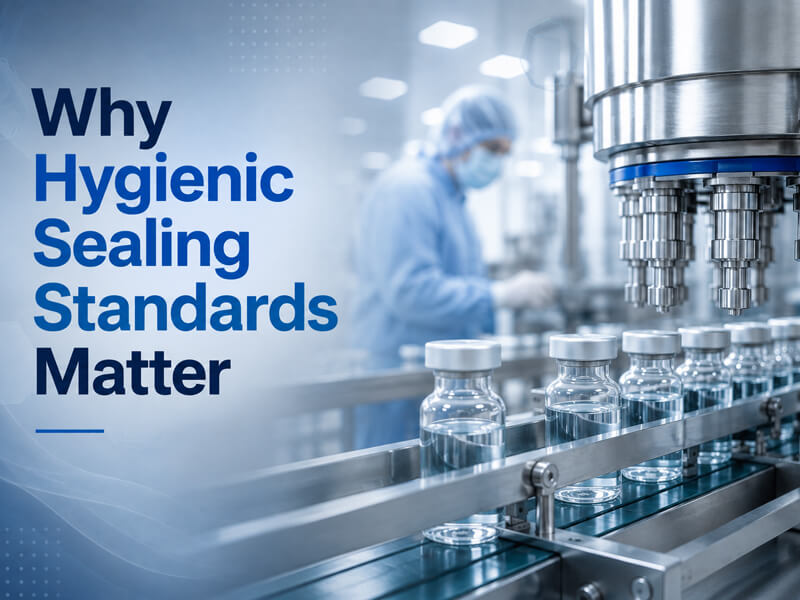
Why Hygienic Sealing Standards Matter

Why Hygienic Sealing Standards Matter

In pharmaceutical processing, a seal failure carries consequences that go well beyond downtime. A leaking seal on a sterile mixing vessel can introduce a contamination event that scraps an entire batch. A seal with crevices or dead legs that don’t clean out fully under CIP can become a site for microbial growth between batches. And a seal built from materials that aren’t validated for pharmaceutical contact can compromise a product’s regulatory approval regardless of how well it seals mechanically.

That’s why hygienic seal design isn’t just about preventing leakage — it’s about surface finish, crevice-free construction, cleanability, and material traceability, all of which have to be documented and defensible during a regulatory audit. We design every pharmaceutical seal to these requirements from the start, following hygienic design principles consistent with ASME BPE (Bioprocessing Equipment) standards, not added on afterward.

This distinction matters most during scale-up and technology transfer, when a seal design validated at pilot scale has to perform identically in full production. A seal that isn’t engineered with hygienic design and documentation in mind from the outset often becomes a bottleneck during these transitions, forcing re-validation work that a properly specified seal would have avoided.
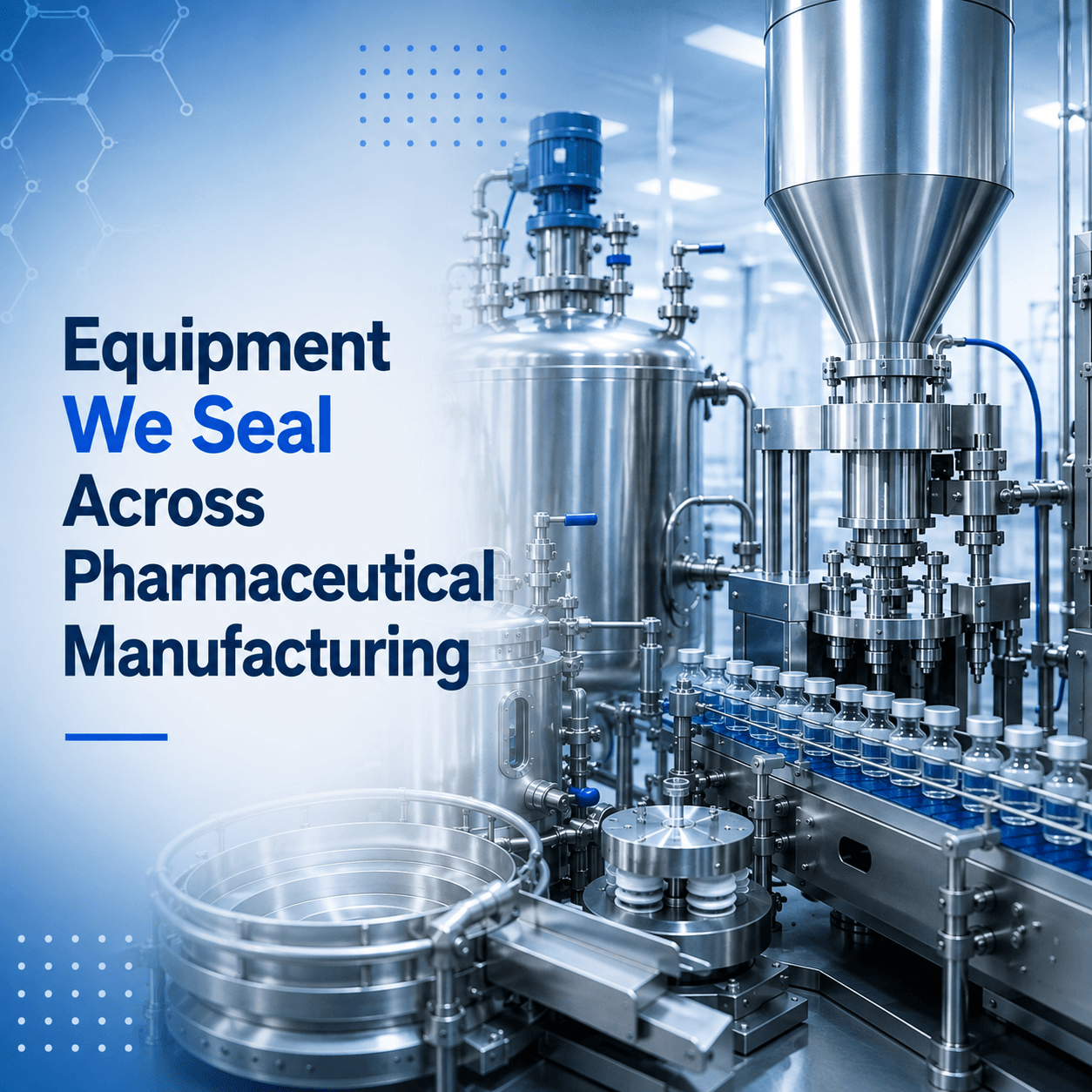
Equipment We Seal Across Pharmaceutical Manufacturing

Equipment We Seal Across Pharmaceutical Manufacturing

Pharmaceutical facilities run a mix of upstream (fermentation, cell culture) and downstream (purification, formulation, fill-finish) equipment, each with its own sealing demands. We supply seals across this full range, engineered to the hygienic and validation standards each stage requires:

  • Bioreactors & Fermenters: Seals have to maintain sterility over extended fermentation runs, often under pressure or vacuum, while surviving repeated steam sterilization cycles. We supply double mechanical seals with a sterile barrier fluid, engineered to prevent any ingress of contaminants into the vessel and any egress of product to atmosphere.
  • Sterile Mixing Vessels & Reactors: Vessels handling active pharmaceutical ingredients (APIs) or sterile formulations need seals that clean out completely under CIP without disassembly, with no crevices where product residue or cleaning fluid can be trapped between batches — our agitator, mixer & reactor seals are purpose-built for this.
  • Solvent & API Transfer Pumps: Transfer pumps moving solvents and active ingredients between processing stages need seals matched to the specific chemical being handled, since many pharmaceutical solvents are flammable, toxic, or both. Depending on pump type and duty, we typically fit cartridge seals or standard component seals
    • Clean-in-place (CIP) & steam-in-place (SIP) systems — seals rated for repeated thermal and chemical sanitation cycles
    • Centrifuges & filtration equipment — hygienic seals for solid-liquid separation in API and formulation processes
    • Tablet coating & granulation equipment — seals for powder-handling systems where product containment is critical
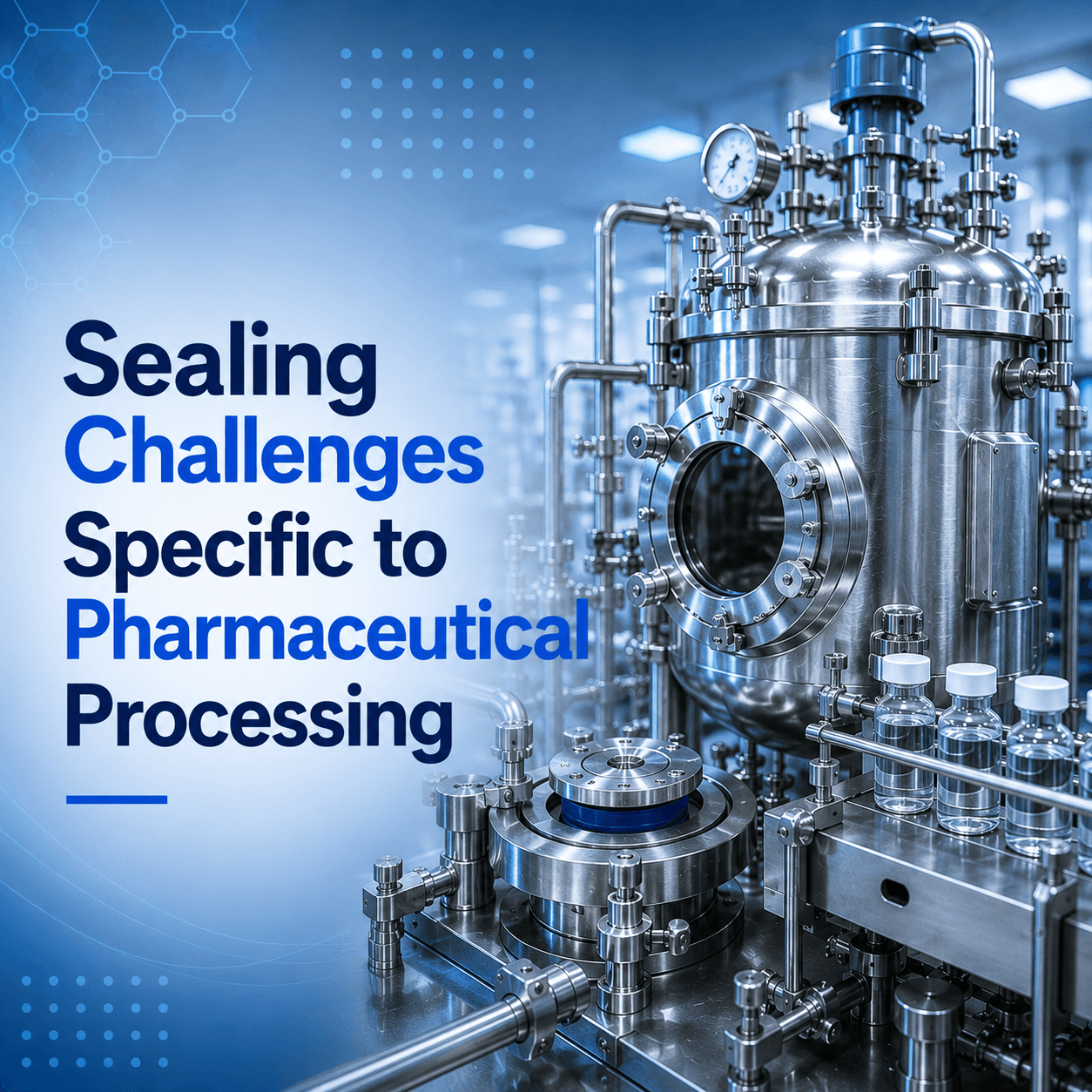
Sealing Challenges Specific to Pharmaceutical Processing

Sealing Challenges Specific to Pharmaceutical Processing

Hygienic Design Requirements

  • Crevice-free construction so the seal can be fully cleaned in place without trapping product or cleaning residue
  • Surface finish requirements on wetted components to prevent microbial adhesion
  • Materials that withstand repeated CIP and SIP cycles without degrading or shedding particulates

Contamination & Sterility Control

  • Zero-tolerance for product contact with non-product-contact lubricants or barrier fluids
  • Sterility maintenance across extended, uninterrupted fermentation or processing runs
  • Prevention of cross-contamination between batches in multi-product facilities

Regulatory & Documentation Requirements

  • Material traceability and certification for FDA, EMA, or other applicable regulatory submissions
  • Compliance with hygienic design standards referenced in GMP documentation
  • Validation support for cleaning and sterilization procedures involving the seal

As with chemical processing, these requirements interact rather than standing alone — a sterile bioreactor seal typically has to satisfy hygienic design, contamination control, and documentation requirements simultaneously. We treat that as a single specification exercise rather than three separate checklists.

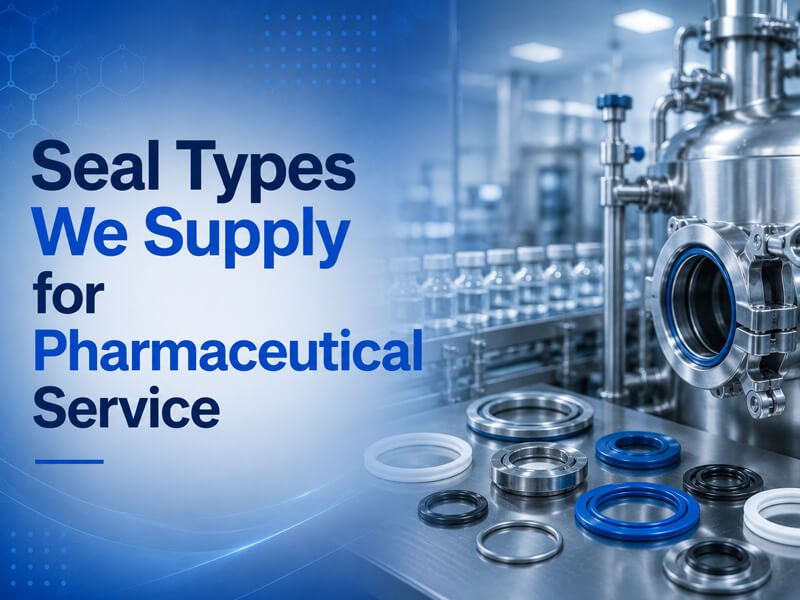
Seal Types We Supply for Pharmaceutical Service

Seal Types We Supply for Pharmaceutical Service

  • Hygienic Cartridge Seals: Pre-assembled, crevice-free designs built for tool-free cleaning access and consistent, repeatable installation across a plant’s vessel and pump fleet — reducing both contamination risk and installation error.
  • Double Mechanical Seals (via our seal support systems): For bioreactors and sterile vessels where product contact with atmosphere is not acceptable under any circumstance, we build double seal arrangements with a validated barrier fluid, keeping the process fully isolated even if the primary seal face wears.
  • Metal Bellow Seals: Where repeated SIP cycles expose the seal to high-temperature steam, metal bellow designs remove the dynamic elastomer that would otherwise degrade under thermal cycling, extending seal life between replacements.
  • Agitator & Mixer Seals: Purpose-built for the shaft loading patterns of pharmaceutical mixing vessels, designed to maintain a validated seal through vacuum, pressure, and temperature swings within a single batch cycle.
  • Split Mechanical Seals: For large sterile vessels where shaft removal for seal replacement would mean extended production loss, split designs install without full disassembly of the equipment.
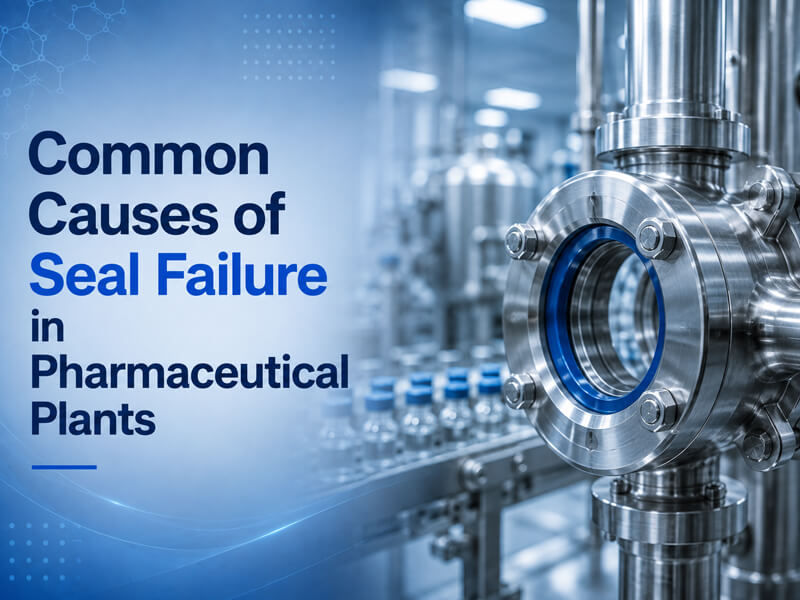
Common Causes of Seal Failure in Pharmaceutical Plants — and How We Design Around Them

Common Causes of Seal Failure in Pharmaceutical Plants — and How We Design Around Them

  • Crevices and dead legs — geometry that traps product or cleaning fluid, leading to failed CIP validation; we design wetted surfaces for complete cleanability
  • Elastomer degradation under repeated SIP cycling — standard elastomers hardening or cracking after repeated steam exposure; we specify steam-grade elastomers or elastomer-free bellow designs where cycle frequency demands it
  • Barrier fluid contamination risk — an improperly designed double seal system that risks barrier fluid migrating into the product; support systems are validated as part of the seal design, not treated as an afterthought
  • Microbial ingrowth at seal faces — surface finish or material choice that allows biofilm formation between batches; addressed through surface finish specification and material selection
  • Dry running during batch changeovers — loss of lubricating film during process transitions between batches, addressed through support system and flush plan design
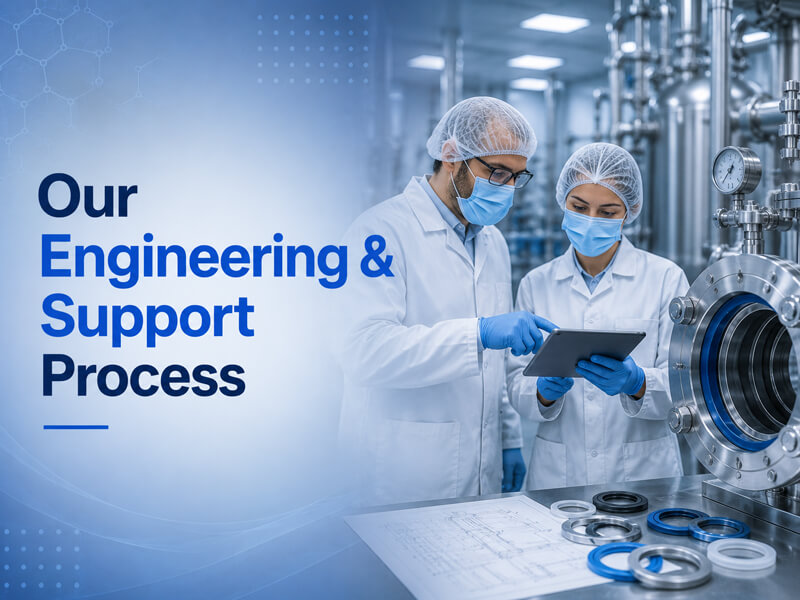
Our Engineering & Support Process

Our Engineering & Support Process

  • Process and validation review — product contact requirements, sterilization method, and regulatory constraints
  • Seal arrangement recommendation — single, tandem, or double, based on contamination risk
  • Material selection for hygienic design and CIP/SIP compatibility
  • Drawing approval before manufacturing begins — including fully custom-engineered designs for non-standard or imported vessels
  • In-house manufacturing and quality testing with material traceability documentation
  • Installation guidance and, where required, on-site commissioning support
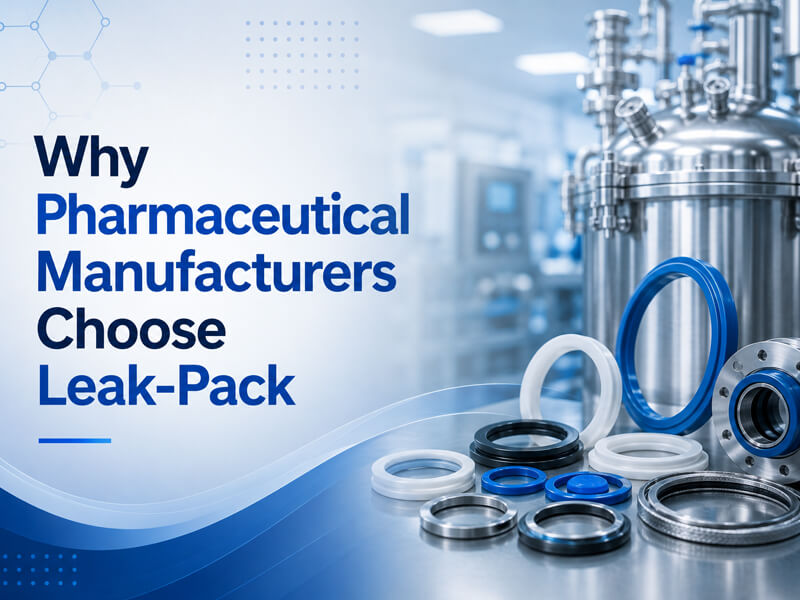
Why Pharmaceutical Manufacturers Choose Leak-Pack

Why Pharmaceutical Manufacturers Choose Leak-Pack

  • Hygienic, crevice-free seal designs built for CIP and SIP validation
  • Material traceability and certification documentation for regulatory submissions
  • Double seal arrangements engineered for sterile and contamination-critical applications
  • Purpose-built agitator and mixer seals for pharmaceutical vessel geometry
  • Custom sealing solutions for bioreactors and non-standard sterile vessel configurations
  • Fast turnaround for replacement seals to minimize batch process downtime
  • Direct engineering support — not just a catalogue sale

Material Selection Guide

Below is a general guide to the materials we typically recommend by pharmaceutical application. Final material selection is always confirmed against your specific product contact requirements, sterilization method, and any regulatory material restrictions that apply to your facility.

ApplicationSeal Face CombinationSecondary Seal / ElastomerWetted Metallurgy
General sterile mixingSilicon Carbide vs. Silicon CarbideEPDM (steam-grade)316L Stainless Steel
Bioreactors & fermentersSilicon Carbide vs. Silicon CarbideFFKM (Kalrez-type)316L Stainless Steel
Solvent & API transferSilicon Carbide vs. Silicon CarbideFFKM (Kalrez-type)316L Stainless Steel
High-temperature SIP serviceSilicon Carbide vs. Silicon CarbidePTFE / Metal bellow (no elastomer)316L Stainless Steel
Powder handling & granulationSilicon Carbide vs. CarbonFKM (Viton)316L Stainless Steel

Frequently Asked Questions

Yes. We design pharmaceutical seals for crevice-free, fully cleanable construction, and specify materials — including steam-grade elastomers or elastomer-free bellow designs — rated for repeated CIP and SIP cycling.

Yes. We can supply material certification and traceability documentation for wetted components where your facility’s regulatory submissions or GMP documentation require it.

We manufacture double seal arrangements specifically for bioreactors and fermenters, engineered to maintain sterility across extended runs and to prevent any product contact with atmosphere, in addition to standard pump and agitator seals.

For applications where any contamination risk is unacceptable, we typically recommend a double seal arrangement with a validated, product-compatible barrier fluid, so the primary seal is fully backed up and the process never contacts atmosphere.

Yes. We specify seal arrangements and support systems rated for the vacuum and pressure cycling common in pharmaceutical mixing and reaction processes within a single batch.

Yes. Our cartridge and agitator seal designs are engineered for retrofit onto most existing pharmaceutical vessels and pumps, including as a direct replacement for underperforming or non-compliant competitor seals.

Yes. We supply seals for centrifuges, filtration equipment, and powder-handling systems such as granulators and tablet coaters, where product containment is as critical as it is in liquid processing.

Lead times depend on seal size, arrangement complexity, and any custom documentation requirements. For standard cartridge seal replacements, we prioritize fast turnaround to minimize batch process downtime — share your seal drawing or vessel details with our team for a firm timeline.

Talk to Our Sealing Engineers

Every pharmaceutical process runs a different combination of product, sterilization method, and validation requirement, which is why we don’t work off a fixed catalogue selection for this industry — every seal we quote starts with your actual process and compliance requirements. We’re happy to work alongside your quality and validation teams where a seal specification needs to be reviewed as part of a broader documentation package.

Send us your reactor, mixer, or pump specifications — product contact requirements, sterilization method, and operating conditions — and our engineering team will recommend the right seal solution for your application. Explore our full range of mechanical seals by industry or send an enquiry directly.